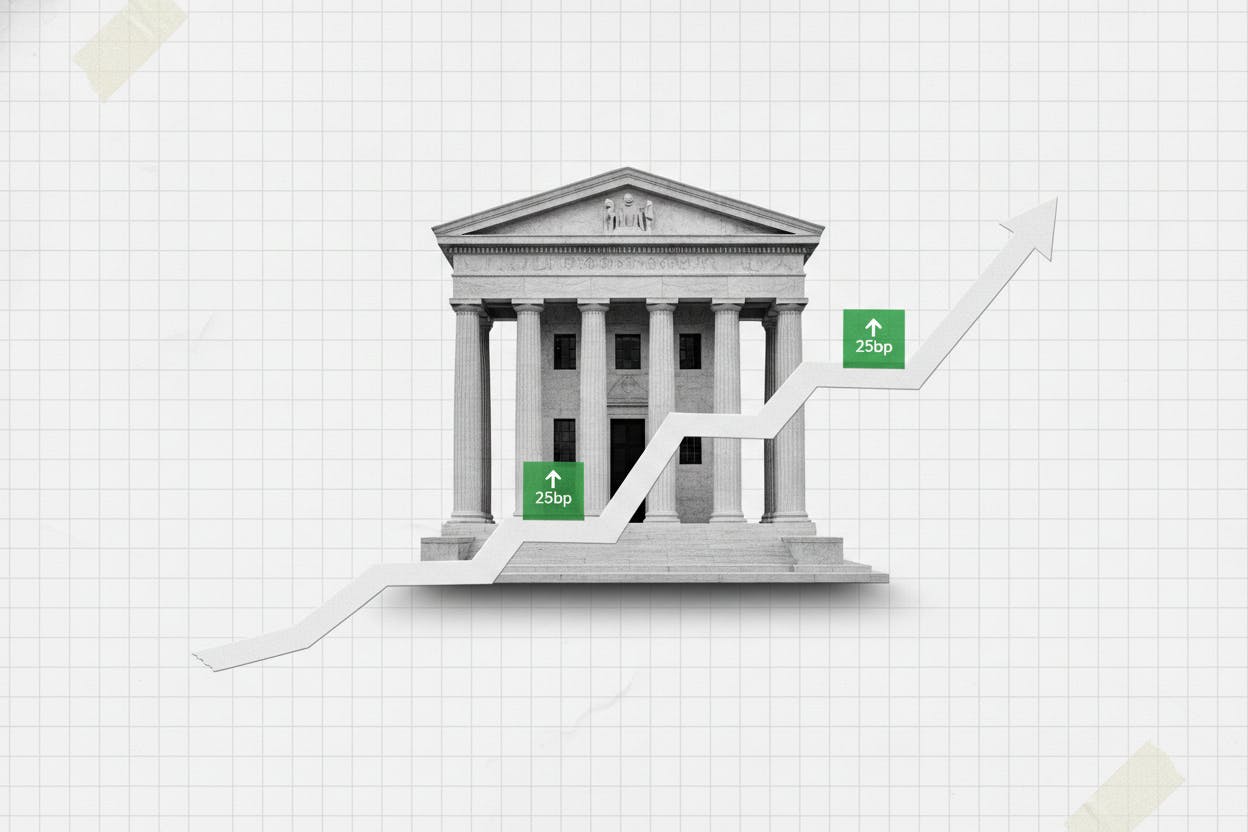
Wall Street is recalibrating its expectations for the Federal Reserve's next moves after the latest jobs report showed the labor market remains resilient. UBS, a global wealth manager, now predicts the central bank will deliver quarter-point interest rate increases in both September and December, a shift from its earlier view that the Fed would hold rates steady for the rest of the year.
The revision comes after August payrolls rose by 162,000 and the unemployment rate held at 4.1%. While job growth was solid, it was not so strong as to suggest the economy is overheating. Yet UBS argues the data, combined with recent comments from Fed officials and lingering supply chain pressures, makes a case for keeping monetary policy tight.
Why the Fed might not be done
Interest rates are the tool the Fed uses to influence borrowing costs across the economy. When inflation is high, the central bank raises rates to cool spending and price increases. Over the past year, the Fed has lifted its benchmark rate from near zero to a range that many investors consider restrictive. But the question has been whether more hikes are needed to bring inflation fully under control.
UBS's new forecast suggests the answer is yes. The firm points to what it calls more hawkish messaging from Fed officials—meaning policymakers leaning toward tighter policy—and the risk that supply bottlenecks could push prices higher again. Supply bottlenecks refer to disruptions in the production or delivery of goods, which can drive up costs and feed inflation.
Other forecasters have also adjusted their calls. Citigroup and Macquarie have tweaked their rate expectations in response to the jobs data, though the brief does not specify their exact positions. The broader takeaway is that the market's confidence in a prolonged pause is fading.
What the jobs report tells us
The August employment report, released earlier this month, showed the economy added 162,000 jobs, a healthy number but below the pace seen earlier in the year. The unemployment rate remained at 4.1%, which is historically low and suggests the labor market is still tight. For everyday investors, a strong job market is generally good news because it supports consumer spending, which drives corporate profits. But it also complicates the Fed's fight against inflation, because a tight labor market can push wages up, and higher wages can lead to higher prices as businesses pass on costs.
This dynamic is why the jobs report has become a key market mover. Investors watch it closely for clues about the Fed's next move. When data comes in hot, rate hike odds rise; when it comes in weak, odds fall. The recent report has tilted the scales toward more tightening, as reflected in UBS's updated forecast.
What it means for investors
For ordinary investors, the prospect of more rate hikes has several implications. First, higher interest rates tend to weigh on stock valuations, especially for growth companies that promise big future earnings. When rates rise, the present value of those future earnings falls, making stocks less attractive. Bonds, on the other hand, become more appealing as yields climb.
Second, rate hikes affect borrowing costs for consumers and businesses. Mortgage rates, credit card rates, and auto loan rates are all influenced by the Fed's benchmark. If the Fed hikes again, those costs could rise further, which might slow spending and economic growth.
Third, the shift in expectations could increase market volatility. As investors adjust their portfolios to reflect a higher-for-longer rate environment, asset prices may swing more than usual. The odds of a rate hike have already moved, and further data releases will likely keep markets on edge.
It's also worth noting that the Fed's path is not set in stone. The central bank has repeatedly said it will be data-dependent, meaning it will adjust its policy based on incoming economic indicators. Inflation readings, consumer spending, and future jobs reports will all play a role. If inflation cools faster than expected, the Fed could still pause. Conversely, if price pressures persist, more hikes are possible.
For investors, the key is to stay informed and avoid making impulsive decisions based on a single data point. Diversification—spreading investments across different asset classes—can help manage risk in uncertain times. And while it's tempting to try to time the market, most financial advisors recommend a long-term approach.
Global context
The Fed is not the only central bank grappling with inflation. In Europe, the European Central Bank has also been raising rates, and Deutsche Bank expects two more hikes there. Meanwhile, other economies are seeing different trends. For instance, Thailand's inflation remains within its target range, and India's alternative-fuel car sales are surging. These global developments can influence investor sentiment and capital flows, but for U.S. investors, the Fed's actions remain the primary driver.
In the coming weeks, markets will be watching for the Fed's next policy meeting in September. The decision will hinge on the latest inflation data and any further commentary from officials. Until then, the debate over how many hikes are left will continue to shape trading.
For now, UBS's forecast is a reminder that the fight against inflation is not over. Investors should prepare for the possibility of higher rates for longer, and consider how that might affect their portfolios.