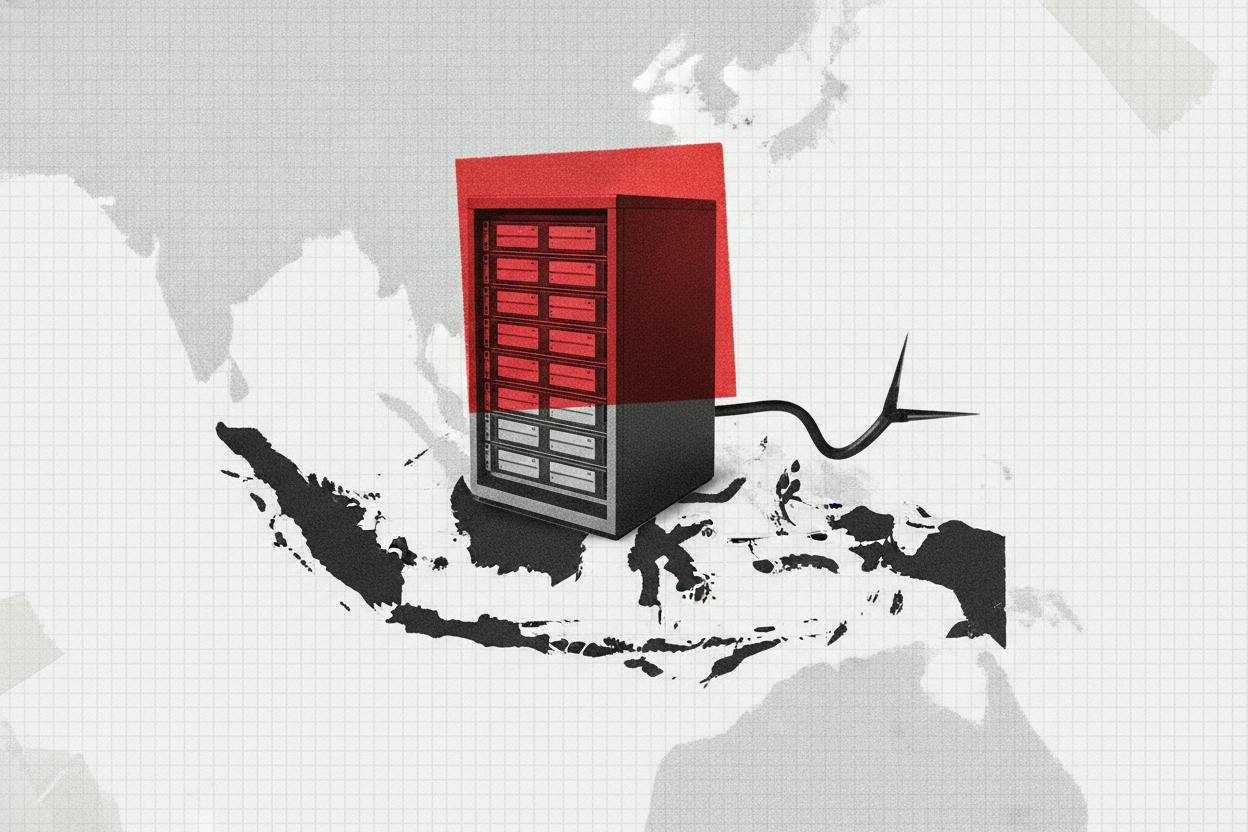
The United States is tightening its export-control regime to close a loophole that has let Chinese companies tap into advanced AI computing power without ever buying a chip. The new rules target data centers in Southeast Asia—particularly in hubs like Singapore and Malaysia—where Chinese firms have been renting Nvidia-grade computing capacity remotely. The move is rattling the region's data-center ecosystem and sending ripples through the chip supply chain.
What's going on here?
For years, US export controls on advanced semiconductors focused on the hardware itself: who could buy the chips, and where they could be shipped. The new push goes a step further. Washington is now looking at who can use that computing power, even after the chips have legally landed in a third country. If a Chinese company can log into a server in Singapore and run AI workloads on US-designed chips, the export-control regime is effectively bypassed.
That is the backdoor the new rules are designed to close. By imposing stricter requirements on data-center operators and cloud providers in Southeast Asia, the US hopes to ensure that advanced AI compute doesn't end up serving Chinese interests indirectly.
What does this mean?
The compliance burden is shifting. Data-center operators, cloud providers, and large corporate customers will now face tougher Know Your Customer (KYC) checks. In some cases, they may be required to verify what the chips are actually being used for, and who the end users are. This is a significant operational change for an industry that has grown rapidly on the back of surging demand for AI compute.
For investors, the implications are twofold. First, data-center operators in Southeast Asia could see higher costs and slower deal flow as they navigate the new rules. Second, the uncertainty is prompting a rethink of which companies in the AI supply chain are best positioned. Some may benefit from tighter controls—for example, US-based cloud providers with strong compliance track records—while others could face headwinds.
The news comes on the heels of earlier export curbs that hit Southeast Asia data center stocks, and it adds to the broader pressure on Asian tech stocks ahead of Nvidia's earnings. Semiconductor ETFs have also felt the impact, as new AI chip rules hit semiconductor ETFs.
Why it matters for investors
For everyday investors, this is a reminder that the AI boom is not just about which company makes the best chip. It is also about geopolitics and regulation. Export controls can shift the competitive landscape overnight, affecting everything from data-center REITs to cloud providers to chipmakers.
The key question now is how the rules will be enforced and how strictly. If enforcement is light, the impact may be limited. If it is aggressive, we could see a re-rating of Southeast Asian data-center assets and a further consolidation of AI compute power in the US and its allies.
Investors should also watch for retaliation. China has already shown a willingness to restrict exports of critical minerals, as seen in copper shortages that squeezed shorts and copper smelting capacity nearing its limit. A broader tech war could have knock-on effects on global supply chains.
The bottom line
The US move to block China's backdoor access to AI chips is a significant escalation in the tech rivalry between the world's two largest economies. It raises the stakes for data-center operators, complicates the AI supply chain, and forces investors to think more carefully about where the real value lies.
For now, the focus is on compliance and enforcement. But the longer-term question is whether these controls will actually slow China's AI ambitions—or simply push them further underground. Either way, the era of frictionless global AI compute is over.