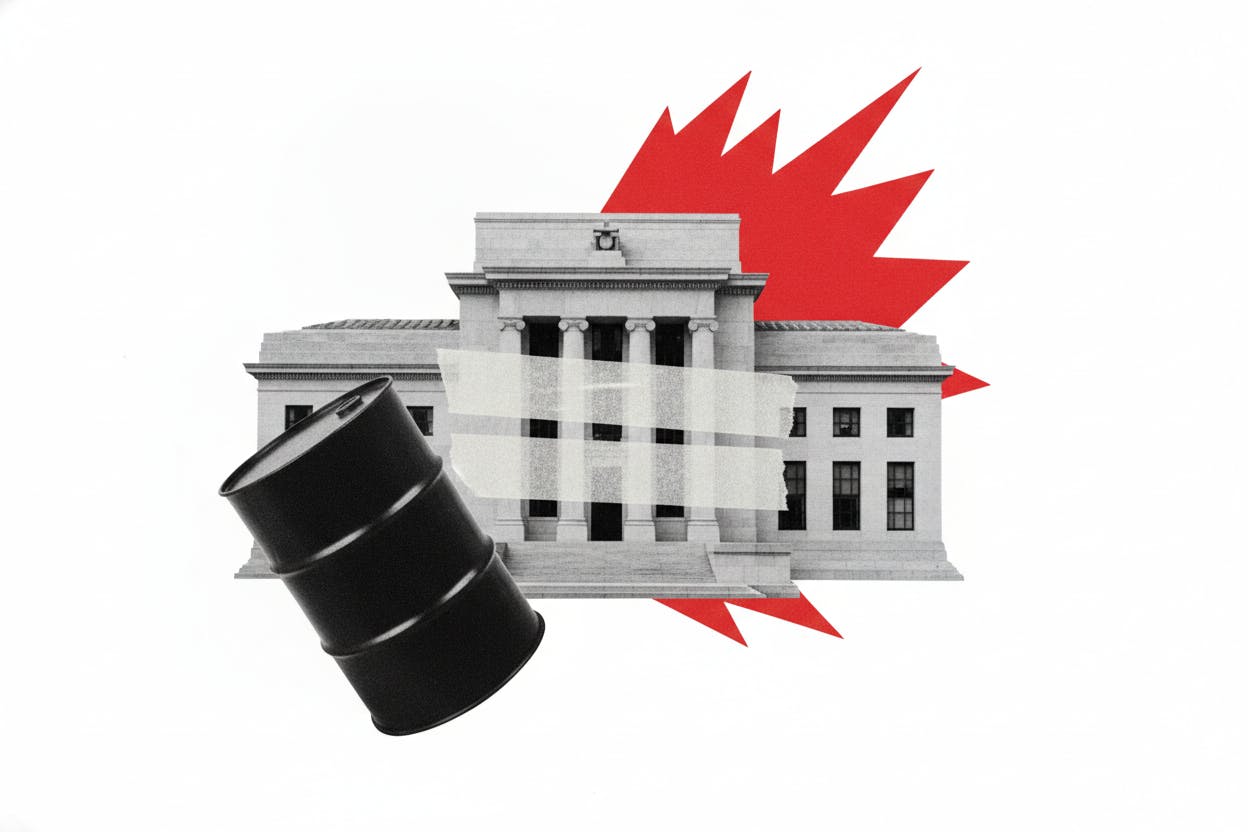
The Federal Reserve is widely expected to keep its benchmark interest rate unchanged at 3.50%-3.75% when it meets on July 28-29, but the calm surface masks a growing internal debate. With inflation still running hot and new pressures from rising oil prices and trade tariffs, some Fed officials are openly discussing the need for another rate hike.
Chair Kevin Warsh, however, is sticking to a strategy of silence. In recent testimony before Congress, Warsh acknowledged that inflation remains too high but offered no clear signal on what might trigger a policy change. That approach has frustrated more hawkish members of the Federal Open Market Committee (FOMC), who argue that waiting for inflation to simply fade on its own is not a viable plan.
Why Inflation Isn't Cooling
The core concern is that price pressures are becoming more broad-based. The Fed's preferred inflation gauge, the Personal Consumption Expenditures (PCE) price index, has stayed elevated, driven in part by rising energy costs and the impact of tariffs on imported goods. Oil prices have climbed above $98 a barrel, adding to transportation and production costs across the economy. Meanwhile, tariffs on key imports are pushing up prices for everything from electronics to industrial materials.
This combination is making it harder for the Fed to declare victory over inflation. Unlike earlier in the cycle, when supply chain disruptions were the main culprit, today's pressures are more persistent and tied to structural factors like energy markets and trade policy. For everyday investors, that means the path to lower interest rates may be longer and bumpier than hoped.
The situation echoes challenges seen in other major economies. The European Central Bank recently held rates at 2.25%, citing similar energy risks that threaten to keep inflation from cooling further. And in Asia, India's Nifty 50 index fell for a fourth straight day as oil above $98 stirred inflation fears, showing how global energy prices are feeding into market anxiety worldwide.
What It Means for Investors
For investors, the key takeaway is that the Fed is in a holding pattern, but the risks are tilted toward tighter policy. If inflation does not continue to moderate, the next move could be a rate hike rather than a cut. That would be a reversal from the easing cycle that many had anticipated earlier this year.
Higher-for-longer interest rates tend to weigh on stock valuations, especially for growth companies that rely on cheap borrowing to fund expansion. Sectors like technology and real estate are particularly sensitive to rate expectations. On the other hand, banks and financial stocks often benefit from a higher rate environment, as they can charge more for loans.
Bond investors should also pay close attention. If the Fed signals a willingness to hike again, longer-term Treasury yields could rise, pushing bond prices down. That would be a headwind for fixed-income portfolios that have enjoyed the rally in bonds over the past year.
The broader economic backdrop adds another layer of complexity. Consumer spending, which drives about two-thirds of U.S. economic activity, is showing signs of strain. Albertsons recently slashed its outlook as inflation-weary shoppers trade down to cheaper brands, a clear signal that households are feeling the pinch. If that trend spreads, it could slow the economy enough to eventually cool inflation, but it also raises the risk of a sharper downturn.
What to Watch Next
All eyes will be on Warsh's press conference following the July 28-29 meeting. Even if the rate decision is a foregone conclusion, his language will be scrutinized for any hint of a shift. Key phrases to watch include references to "patient" or "data-dependent" — code words that signal whether the Fed is leaning toward a hike or a hold.
Also important will be the Fed's updated economic projections, which will include the "dot plot" of individual members' rate expectations. If more officials pencil in a rate hike for later this year, markets could react sharply.
For now, the message is clear: inflation is not yet defeated, and the Fed is not ready to declare victory. Investors should brace for a longer period of uncertainty, and keep a close eye on oil prices and tariff developments as key drivers of the next move.