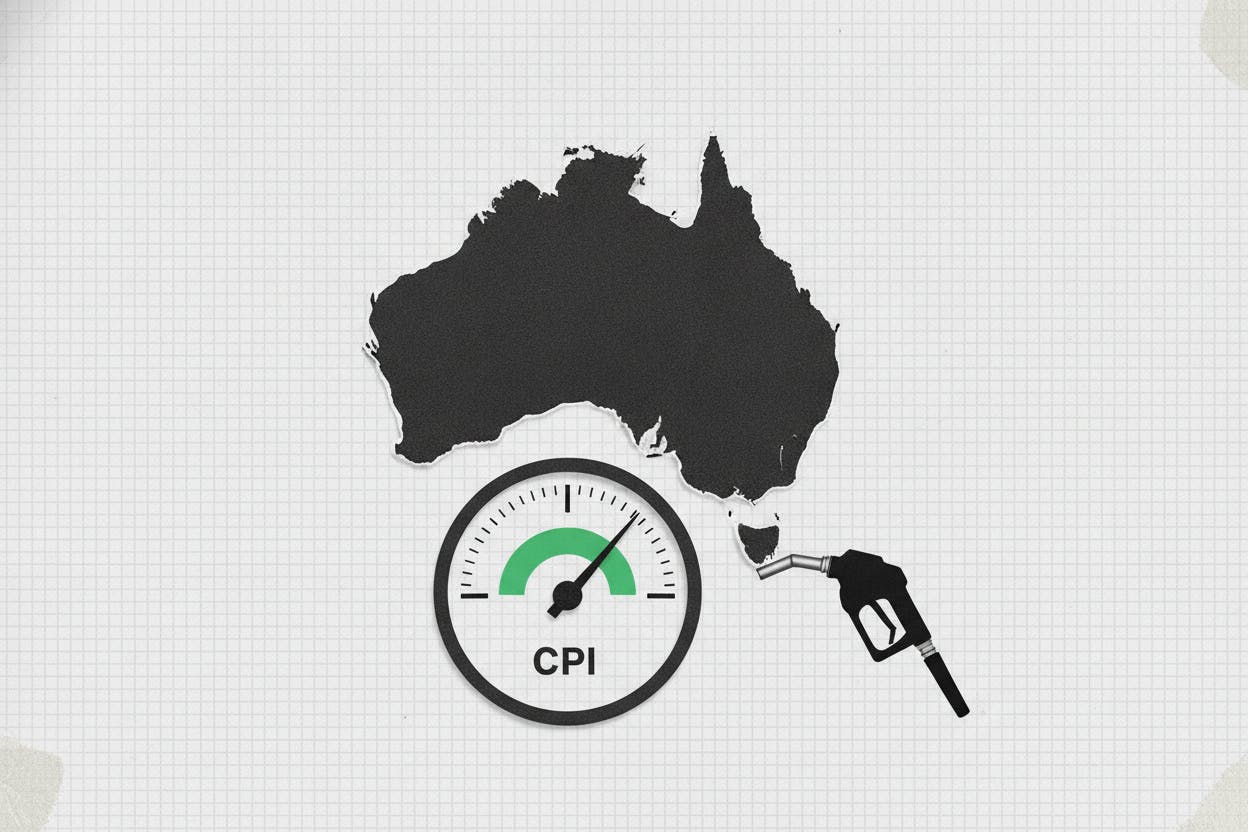
Westpac, one of Australia's largest banks, has released a forecast suggesting that the country's consumer price index (CPI) rose 0.4% in June compared to May. If confirmed, this would push the annual inflation rate to 4.2%, up from 4.0% in the previous month. The report highlights that the increase is largely driven by services and housing costs, including holiday travel, rents, and the cost of newly built homes, though cheaper fuel provided some relief.
What's Driving the Inflation Tick Higher?
The bank's economists point to several key factors behind the expected rise. Holiday travel costs typically spike during the Australian winter school holidays, adding to price pressures. Rents continue to climb amid tight housing supply, while the cost of constructing new homes remains elevated due to high material and labor costs. These increases were partially offset by a decline in fuel prices, which have eased from recent highs.
Westpac also noted that while headline inflation is ticking up, there are signs that underlying price pressures may be cooling. Survey-based measures of firms' pricing intentions have eased, and consumers' one-year inflation expectations have dipped to 4.7%. This suggests that the Reserve Bank of Australia (RBA) may see some comfort in the data, even as it continues to monitor inflation closely.
Broader Economic Context
Australia's inflation story is part of a global trend where central banks are grappling with sticky services inflation even as goods prices moderate. The RBA has held its cash rate steady at 4.10% since June, and markets are watching for any signs that inflation might force another hike. The Westpac forecast comes ahead of the official CPI release, which will be a key input for the RBA's next policy decision.
In other parts of the world, central banks are facing similar challenges. For instance, the European Central Bank recently held rates at 2.25% amid energy risks, as seen in ECB Holds Rates at 2.25% as Energy Risks Loom Over Cooling Inflation. Meanwhile, in the U.S., the Federal Reserve has also kept rates steady as inflation pressures mount from oil and tariffs, as reported in Warsh's Fed Holds Rates Steady as Inflation Pressures Mount from Oil and Tariffs.
What It Means for Investors
For everyday investors, a higher-than-expected inflation reading could reignite concerns about further interest rate hikes. Higher rates tend to weigh on stock valuations, particularly for growth-oriented companies, and can increase borrowing costs for mortgages and business loans. However, the easing of fuel prices and signs of cooling price pressures may temper those fears.
Investors should watch the official CPI release closely, as it will influence the RBA's next move. If inflation proves stickier than expected, the RBA may be forced to raise rates again, which could impact sectors like housing and consumer discretionary. Conversely, if inflation shows signs of peaking, it could support a more optimistic outlook for Australian equities.
In the broader market, Australia's private sector growth has been showing resilience, as highlighted in Australia's Private Sector Growth Hits 2026 High in July, Confidence Lags. This suggests that the economy may be able to withstand further rate hikes, though consumer confidence remains fragile.
Looking Ahead
The official June CPI data is due for release later this month, and it will be a critical data point for the RBA. Westpac's forecast adds to the narrative that inflation is not yet under control, but the bank's observation of easing price pressures offers a glimmer of hope. Investors should remain diversified and keep an eye on upcoming economic data, as the path of inflation will determine the trajectory of interest rates and, ultimately, market performance.