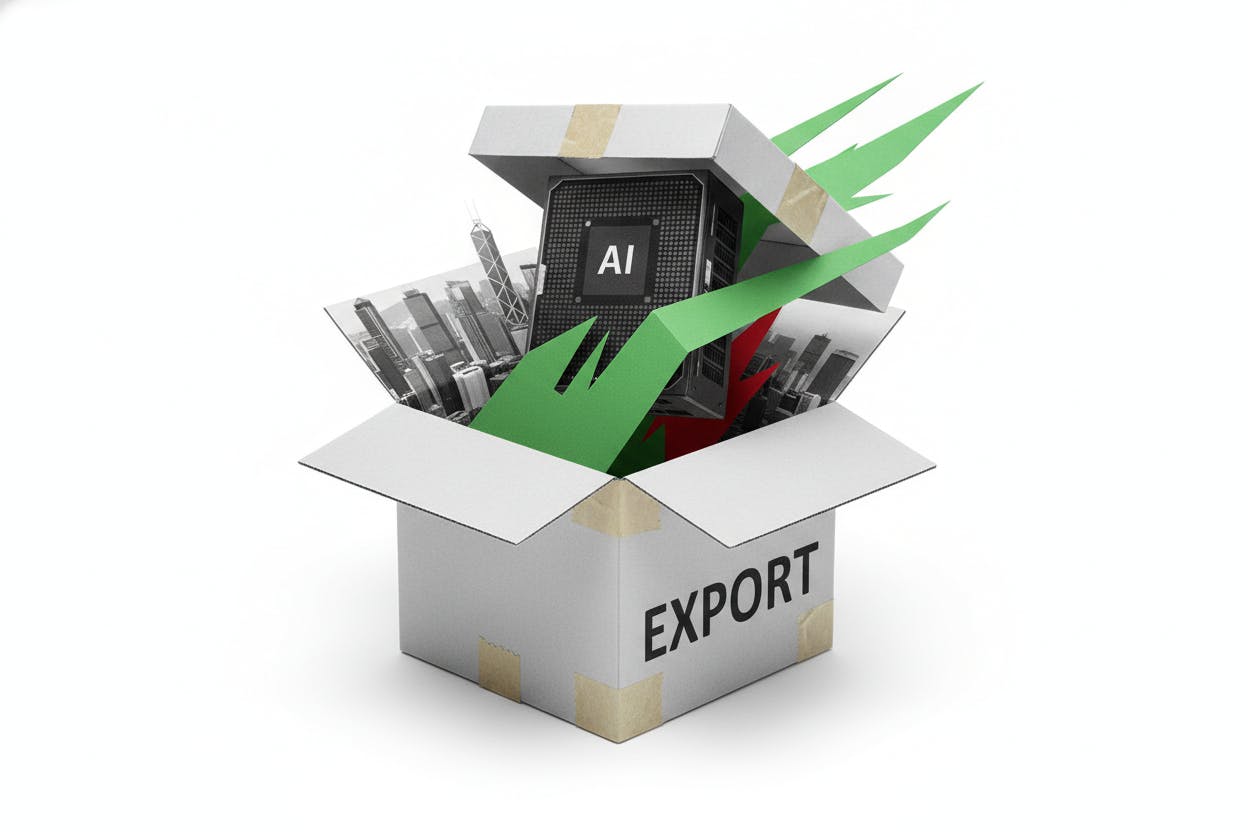
Hong Kong's trade deficit narrowed dramatically in July, as a surge in exports of AI-related electronics helped close the gap with imports. The Census and Statistics Department reported that total exports rose to HK$672.5 billion, a 50.7% increase from a year earlier, while imports grew 41% to HK$677.4 billion. That left a trade deficit of just HK$4.9 billion, a sharp improvement from June's HK$52 billion shortfall.
The government attributed the export boom to strong overseas demand for AI-related electronic products. Shipments of office machines and automatic data processing machines—a category that includes computers and servers—jumped 106.5% year-on-year, while electrical machinery and equipment rose 54%. The United States was the largest destination for Hong Kong's exports, with shipments there climbing 92.9% compared with the same month last year.
What's driving the surge?
The figures reflect a broader global trend: businesses and governments are investing heavily in artificial intelligence infrastructure, from data centers to advanced chips. Hong Kong, as a major re-export hub, benefits when demand for these products rises, since many goods pass through its ports on their way to other markets.
The jump in exports is also a sign that global tech spending remains robust, even as some economies show signs of slowing. For everyday investors, this is a useful indicator: when Hong Kong's export numbers are strong, it often suggests that global demand for technology products is healthy, which can bode well for tech companies worldwide.
However, it's worth noting that Hong Kong's trade data can be volatile, and a single month's figures don't always signal a lasting trend. The city's role as a re-export hub means its numbers are heavily influenced by trade flows between mainland China and the rest of the world, as well as by global demand for specific products.
What it means for investors
For investors, the narrowing trade gap is a positive sign for Hong Kong's economy, which has faced headwinds from high interest rates and a slower property market. A stronger export sector can support economic growth and corporate earnings, particularly for companies in the logistics, shipping, and technology supply chain.
The surge in AI-related exports also highlights the growing importance of artificial intelligence to global trade. Investors may want to watch how this trend evolves, as it could have implications for companies that produce or distribute AI hardware, as well as for those that rely on global supply chains.
That said, the trade data is just one piece of the puzzle. Investors should consider the broader economic backdrop, including upcoming earnings from major tech companies and moves in bond markets, which can influence global sentiment.
Hong Kong's trade figures also come at a time when other economies are seeing export-led growth, suggesting that global trade is holding up better than some feared. However, risks remain, including geopolitical tensions that could disrupt supply chains.
The bigger picture
Hong Kong's trade performance is closely watched because it offers clues about the health of the global economy. When exports rise sharply, it often means that consumer and business demand is strong in key markets like the US, Europe, and mainland China. Conversely, a widening deficit can signal weakening demand or rising import costs.
The July data suggests that demand for technology products, particularly those used in AI applications, remains robust. This is consistent with reports of rising investment in AI startups and mixed results from tech suppliers, which show both opportunities and challenges in the sector.
For now, the narrowing trade gap is a welcome development for Hong Kong, which has been grappling with a sluggish property market and outflows of capital. A stronger export sector could help stabilize the economy and support the local currency.
Investors should keep an eye on upcoming trade data to see if the trend continues. If exports remain strong, it could be a positive signal for global growth and for companies with exposure to the tech supply chain. But as always, it's important to look beyond the headline numbers and consider the underlying drivers.