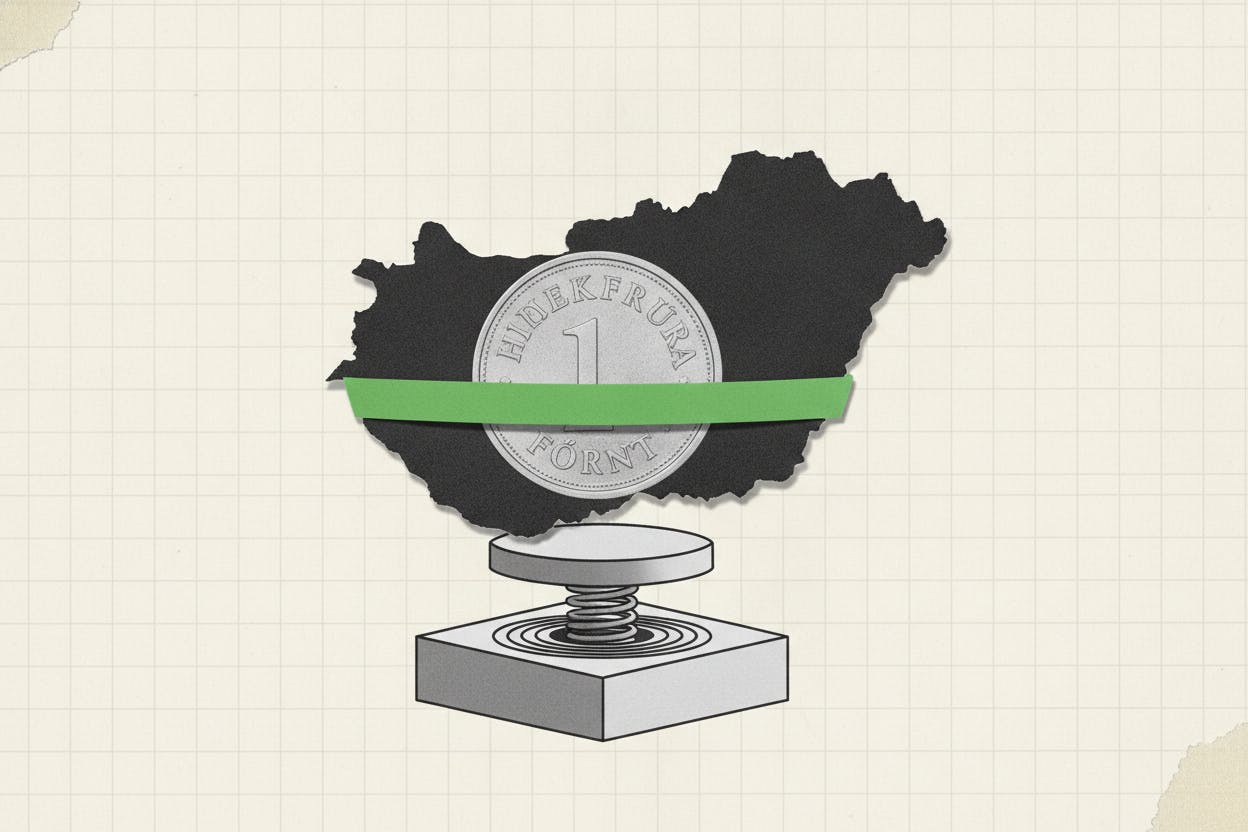
The National Bank of Hungary (NBH) delivered another quarter-point rate cut on Tuesday, lowering its benchmark interest rate to 5.75%. The move extends a summer easing cycle as inflation continues to cool and investor sentiment improves following a deal with the European Union over frozen funds.
The cut was widely expected: all 12 analysts surveyed by Reuters had predicted a 25 basis-point reduction. The NBH had previously signaled that gradual easing could continue if economic data remained supportive, and recent inflation prints have strengthened that case.
Why the central bank is cutting
Hungary's inflation rate has been on a downward trend, giving the central bank more confidence to loosen monetary policy. The NBH's own inflation forecasts have also been revised lower, further supporting the case for rate cuts. Equilor, a Hungarian brokerage, argued that policymakers now have “ample room” to keep trimming rates.
Another key factor is the recent agreement between Hungary and the European Commission over frozen EU funds. The deal has reduced risk premiums on Hungarian assets, making it cheaper for the government to borrow and easing pressure on the forint. The currency has steadied near 360 per euro, as noted in a recent report on Hungary's forint steadies near 360 per euro.
What it means for investors
For everyday investors, the rate cut signals that Hungary's central bank believes inflation is under control and that the economy needs support. Lower interest rates can boost economic growth by making borrowing cheaper for businesses and consumers, but they also reduce returns on savings accounts and bonds denominated in forints.
Investors holding Hungarian government bonds or forint-denominated assets should watch for further rate cuts, which could push bond prices higher but reduce yields. The NBH's decision also affects the forint's exchange rate: lower rates typically weaken a currency, but the EU funds deal has helped stabilize it.
The broader context matters too. Central banks around the world are grappling with similar trade-offs. For example, Indonesia's central bank eased bank liquidity after a government deposit shift, while Nigeria's central bank held rates steady despite cooling inflation. Each country's approach reflects its unique inflation and growth dynamics.
What's next for Hungarian rates
The NBH has not committed to a specific path, but the current data suggests more cuts could be on the way. Analysts will be watching upcoming inflation reports and any further developments with EU funds. If inflation continues to fall and risk premiums remain low, the central bank may have room to cut rates further in the coming months.
However, external risks remain. Global oil prices have been volatile, and a sustained surge could push inflation higher, limiting the NBH's ability to ease. The recent oil surge has kept a Fed rate hike on the table, which could affect emerging markets like Hungary.
For now, the NBH is sticking to its gradual approach. Tuesday's cut was the latest in a series of moves that began earlier this summer, and investors will be watching for signals at the next policy meeting.