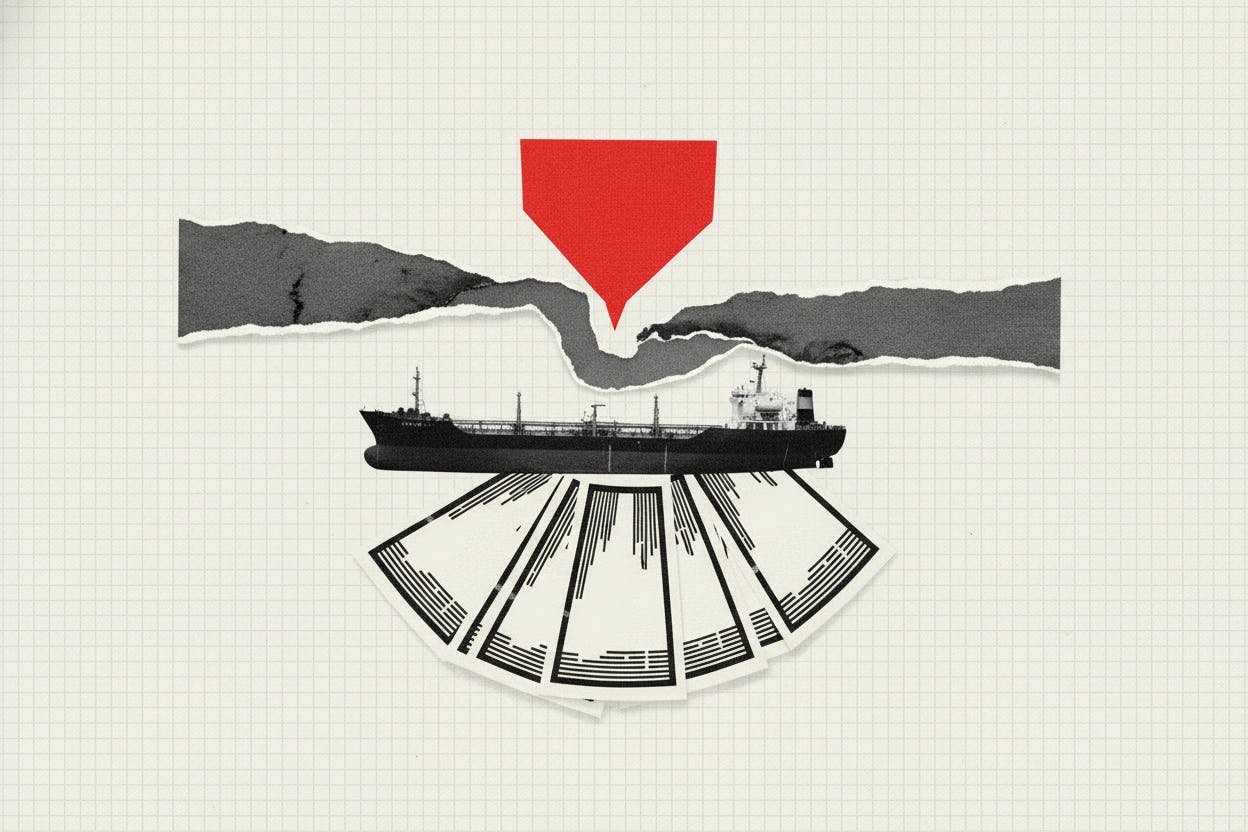
Oil prices are holding steady after Commerzbank highlighted reports of missiles fired at commercial vessels in the Strait of Hormuz, a narrow waterway that serves as a critical chokepoint for global crude and liquefied natural gas (LNG) shipments. The news has injected a fresh dose of geopolitical uncertainty into markets, even as US and German government bonds stabilized and central bankers stuck to cautious messaging on interest rates.
What's Happening in the Strait of Hormuz?
The Strait of Hormuz, located between Oman and Iran, is one of the world's most strategically important shipping lanes. Roughly one-fifth of the world's oil passes through it daily. Any threat to shipping there can quickly rattle energy markets, as traders price in the risk of supply disruptions, higher insurance costs, and more expensive freight.
While no confirmed disruption has been reported, the mere possibility of escalation tends to add a “risk premium” to oil. That premium reflects the market's expectation that supply could be interrupted, even if the immediate situation remains calm. As a result, oil prices have stayed supported, with traders watching for any further developments.
Bonds Steady as Investors Seek Safety
Beyond energy markets, the mood appeared more cautious than panicked. Commerzbank noted that US Treasuries regained ground into the New York close after early weakness, while German Bund yields hit fresh lows in Asian trading before stabilizing. That pattern suggests investors are leaning on high-quality government bonds for protection, even as the initial shock from the Hormuz headlines cooled.
When geopolitical risk flares up, investors often buy “duration” – a measure of sensitivity to interest rate changes – through core government bonds like Treasuries and Bunds. These assets tend to hold up when riskier investments like stocks slide, making them a natural hedge in uncertain times.
Equities Wobble on Samsung Disappointment
Equities added another layer of complexity. South Korea's KOSPI index dropped 8% after disappointing results from Samsung, weighing on regional tech stocks and reinforcing a risk-off tone that isn't solely about geopolitics. The selloff in Asian tech shares echoed in other markets, with Japan's Nikkei also falling as chip stocks slid. For more on that, see our coverage of the Nikkei's decline on Samsung disappointment.
This combination of geopolitical risk and corporate earnings misses has left investors cautious, with many defaulting to hedging rather than making big bets on economic growth.
Central Bankers Stay Cautious on Rates
Policymakers added to the cautious mood. Commerzbank highlighted that European Central Bank board member Isabel Schnabel argued the eurozone still faces persistent supply pressures, suggesting that inflation may not ease as quickly as hoped. Meanwhile, Federal Reserve Governor Christopher Waller said guidance on interest rates should stay flexible, and sometimes be avoided altogether.
These comments signal that central bankers are not ready to declare victory over inflation or to signal a clear path toward rate cuts. For investors, that means the “higher for longer” narrative on interest rates remains in play, which can weigh on risk assets and support bond yields.
What It Means for Investors
For everyday investors, the key takeaway is that markets are navigating a complex mix of geopolitical risk, corporate earnings disappointments, and cautious central bank messaging. Oil prices are likely to remain supported as long as the Hormuz situation stays in focus, but the broader market mood suggests a preference for safety over risk.
That dynamic helps explain the mix Commerzbank described: oil staying supported by a Hormuz risk premium, even as long-term yields drift lower. And when yields fall relative to other countries, interest-rate differences can narrow, which can soften the US dollar even during a risk-off spell. For more on how these forces are playing out in Asia, see our report on ASX 200 dips as Strait of Hormuz tensions push oil near $72.
Investors should also keep an eye on the broader regional impact. The KOSPI's sharp drop on Samsung's results is a reminder that corporate fundamentals matter, even when geopolitics dominate headlines. For more on how Middle East tensions are affecting regional markets, check out our story on Malaysia stocks ending their winning streak.
Ultimately, the combination of Hormuz risk, equity wobbles, and cautious central bankers suggests that markets may remain in a defensive posture for now. Investors should expect continued volatility in oil, bonds, and currencies as the situation evolves.