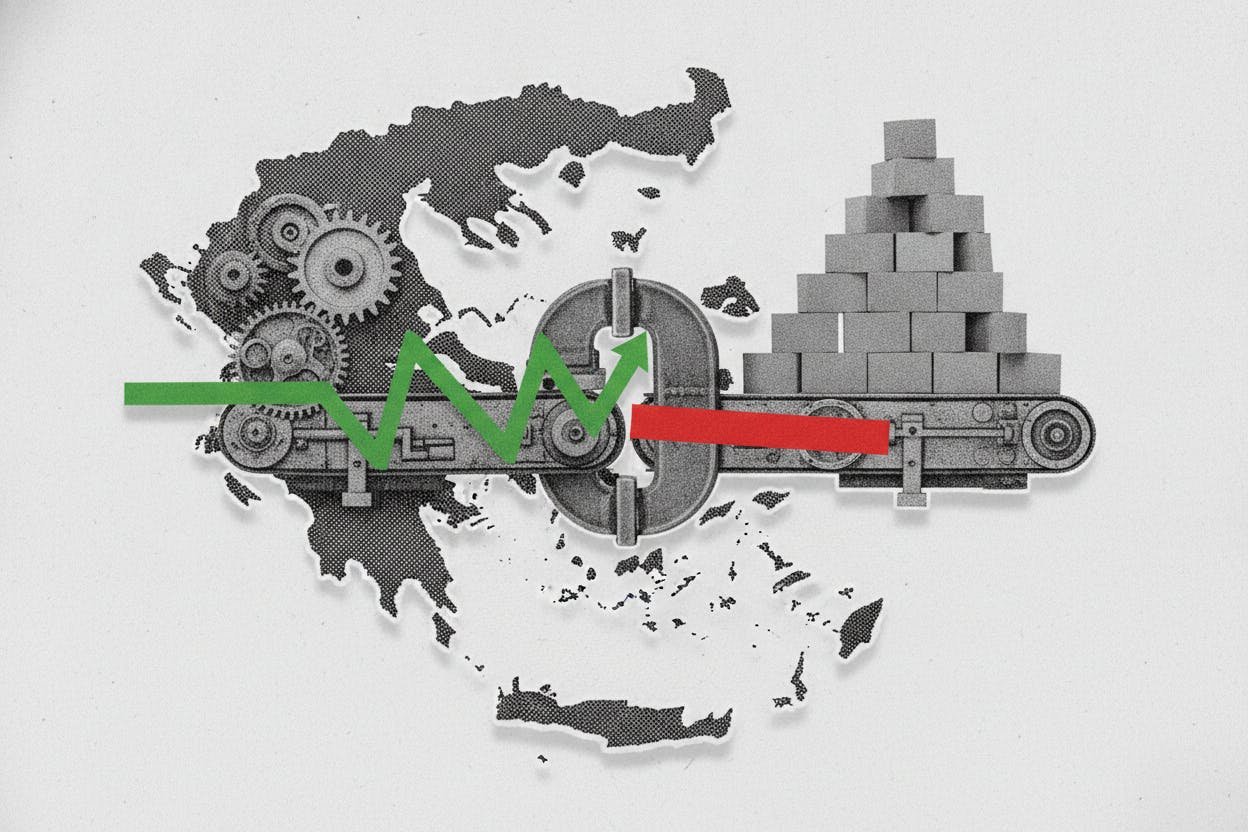
Greece's manufacturing sector picked up speed in August, even as factories wrestled with material shortages and rising energy bills. The latest purchasing managers' index (PMI) from S&P Global ticked up to 54.4, up from the previous month's reading, signaling a solid expansion in factory activity.
The PMI is a closely watched gauge of business conditions. A reading above 50 means the sector is growing, while anything below points to contraction. At 54.4, Greek manufacturers are clearly in growth territory, and the pace of that growth accelerated slightly from July.
Domestic demand doing the heavy lifting
The main driver behind the uptick was a surge in new orders, which rose at the fastest pace since March. That suggests customers are still willing to buy, and the demand is coming largely from within Greece. Export orders, by contrast, barely grew for a second straight month, indicating that overseas demand remains muted.
That domestic focus is a notable shift. For much of the past year, Greek factories have leaned on exports to keep order books full. Now, the home market is stepping up, which could make the sector less vulnerable to global trade slowdowns.
However, the production side of the story was less rosy. Output increased again in August, but the pace cooled from July's high. The reason: factories couldn't get enough materials to run at full tilt. Suppliers remained unreliable, even though delivery times improved somewhat compared with earlier in the year.
Cost pressures and coping strategies
Higher energy costs added to the strain. Greece, like much of Europe, has faced elevated energy prices, and manufacturers are feeling the pinch. These cost pressures are squeezing margins and forcing companies to make tough choices.
To cope, manufacturers stepped up their purchasing activity, trying to stockpile inputs before prices climb further or supplies dry up. That's a common strategy in times of supply chain stress, but it can tie up cash and add to inventory costs.
The situation in Greece echoes what's happening across the eurozone. German manufacturing also saw a strong PMI reading, while other countries like Poland's factories are still in contraction. The divergence highlights how supply chain issues are hitting different economies in different ways.
What it means for investors
For everyday investors, the Greek PMI is a useful barometer of the country's economic health. A growing manufacturing sector often translates into more jobs, higher wages, and better corporate profits, which can support stock prices and economic growth.
But the persistent supply constraints are a warning sign. If shortages and energy costs continue to bite, they could cap how fast factories can grow, even with strong demand. That could mean slower profit growth for manufacturers and potentially higher prices for consumers, as companies pass on their higher costs.
Investors with exposure to Greek stocks or European funds should watch how these cost pressures evolve. Companies that can manage their supply chains effectively or pass on costs to customers may fare better than those that can't.
The broader picture is mixed. While Greece's factories are growing, the reliance on domestic demand and the ongoing supply issues mean the recovery is not without risks. China's factory activity also picked up, but South Korea's growth cooled, showing that global manufacturing is still uneven.
For now, the Greek manufacturing sector is holding up well, but investors should keep an eye on whether supply constraints start to choke off the growth that demand is fueling.