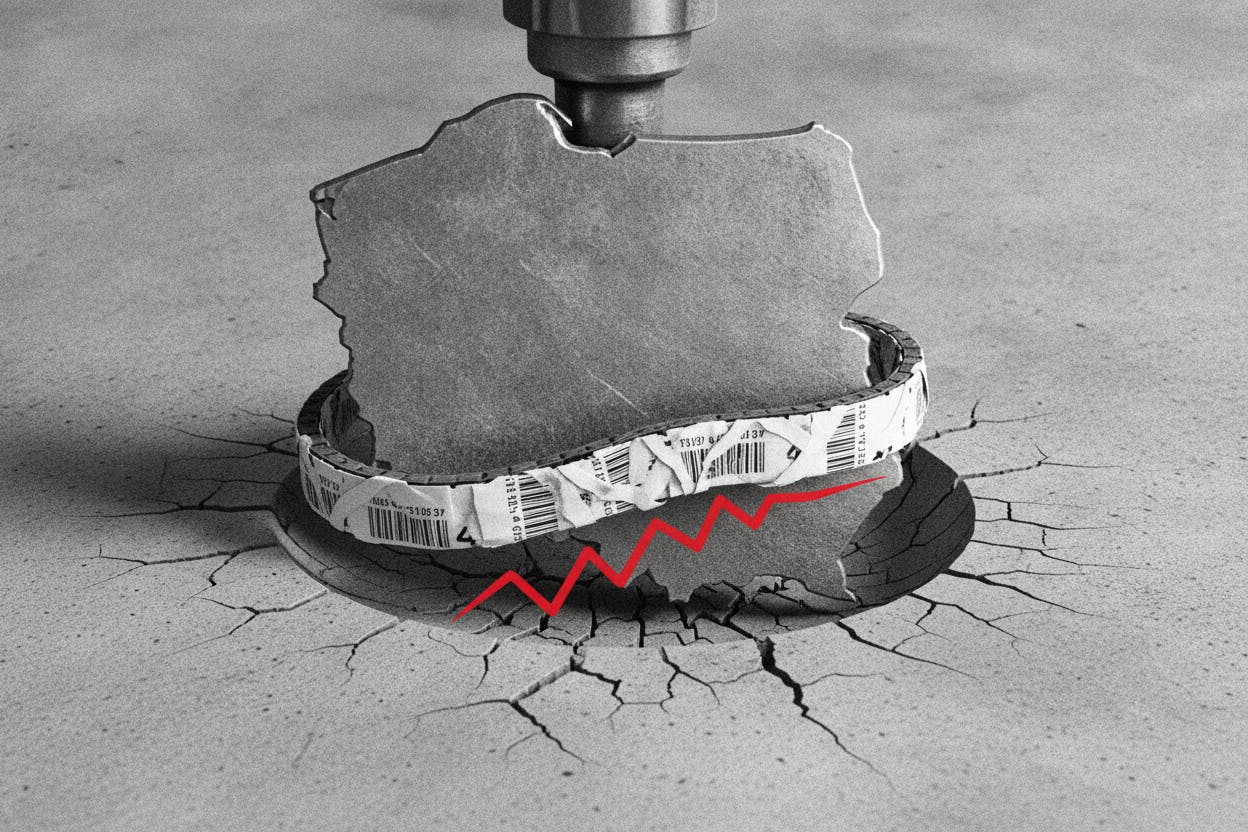
Poland's manufacturing sector showed further signs of strain in August, with the S&P Global purchasing managers' index (PMI) slipping to 48.3. The reading, down from the previous month, remains below the 50 mark that separates expansion from contraction, indicating that factory activity is shrinking at a faster pace.
The latest data points to a deepening slump, as new orders fell more sharply and delivery times lengthened. According to the survey, the combination of these factors represents the worst stretch for Polish manufacturers since June 2022, a period when supply chains were still reeling from the early stages of the war in Ukraine and pandemic-related disruptions.
What the PMI tells us
The PMI is a widely watched gauge of manufacturing health, based on surveys of purchasing managers at factories. A reading above 50 signals that the sector is expanding, while a figure below 50 points to contraction. The index covers key components such as new orders, output, employment, supplier delivery times, and stock levels.
Poland's manufacturing sector has been under pressure for some time, as weaker demand from key trading partners in Europe and high energy costs have weighed on production. The August reading suggests that the downturn is not only persisting but intensifying, with the pace of decline in new orders accelerating. Delivery times, which had been improving earlier in the year, have now lengthened again, adding to the challenges faced by factories.
The slowdown in Poland is part of a broader trend across Europe, where manufacturing has struggled amid sluggish economic growth and tight monetary policy. However, the picture is mixed globally. For instance, China's factory activity picked up in August as export orders surged, while Japan's factory growth accelerated on the back of strong demand for AI and chips. In contrast, South Korea's factory growth cooled in August, though export orders remained robust.
Why it matters for investors
For everyday investors, the PMI is a useful barometer of economic health. A prolonged factory slump can signal weaker corporate earnings, slower economic growth, and potential headwinds for stocks tied to the manufacturing sector. It can also influence central bank policy decisions, as persistent weakness may prompt policymakers to consider rate cuts to stimulate activity.
Poland's economy, like many in Central and Eastern Europe, relies heavily on manufacturing and exports, particularly to Germany and other eurozone countries. A sustained downturn in factory activity could weigh on the zloty and affect companies listed on the Warsaw Stock Exchange, especially those in industrials, materials, and logistics.
Investors should also keep an eye on how this data fits into the broader European picture. The European Central Bank and other central banks have been grappling with high inflation and slowing growth, and manufacturing data like this can influence their decisions. If the slump deepens across the region, it could raise expectations for rate cuts, which would have implications for bond yields and currency markets.
What to watch next
Looking ahead, investors will be monitoring whether the decline in new orders stabilizes or accelerates. The lengthening of delivery times is a particular concern, as it could indicate supply chain disruptions that might feed into higher costs or delayed production. The survey also noted that the worst stretch since June 2022 suggests the current downturn is becoming more entrenched.
Poland's factory data also comes amid a backdrop of global uncertainty, with oil prices recently pushing above $90, which has pushed global bond yields to fresh highs. Higher energy costs can squeeze manufacturers' margins and dampen demand, adding to the challenges facing the sector.
For investors with exposure to Polish assets or European manufacturing more broadly, the August PMI is a reminder that the recovery may take longer than hoped. While the data does not necessarily signal a recession, it does suggest that the manufacturing sector is still in the doldrums, and any turnaround will likely depend on a revival in global demand and easing cost pressures.
As always, it's important to remember that a single month's PMI reading is just one data point. Investors should look at trends over several months and consider a range of economic indicators before making decisions. But for now, the message from Poland's factories is clear: the slump is deepening, and the road to recovery remains uncertain.