Halliburton, one of the world's largest oilfield services companies, is heading into its second-quarter earnings report with two potential tailwinds: a gradual improvement in North America fracking pricing and the possibility of normalized operations in the Middle East if the US-Iran ceasefire holds. Analysts at UBS expect the quarter to come in slightly stronger than previously anticipated, with margins moving toward the upper end of the company's own guidance.
What's Driving the Optimism?
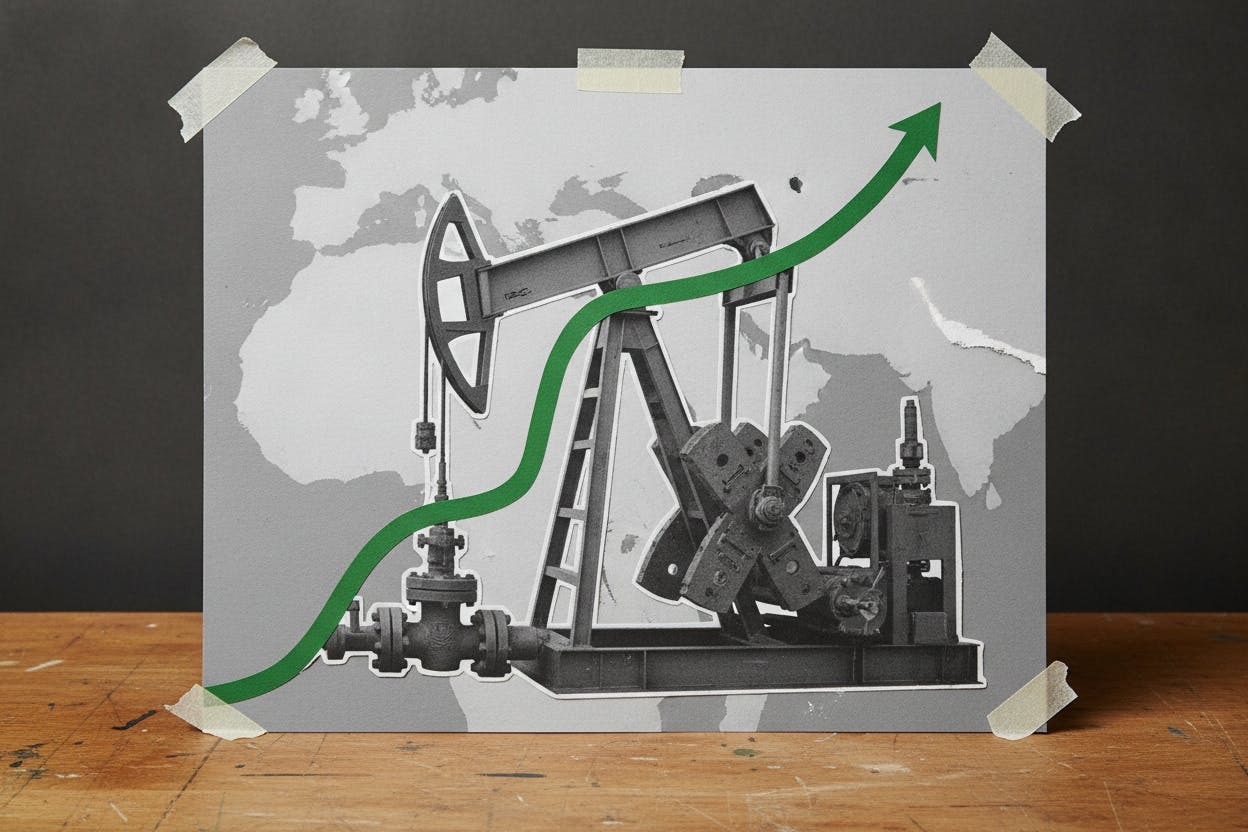
According to UBS, the key change in the US market is pricing for hydraulic fracturing—commonly known as fracking—which is showing signs of a slow but steady recovery. The bank describes the move as “a gradual grind higher” rather than a sudden jump. For everyday investors, this matters because it suggests that oilfield service providers like Halliburton are slowly regaining pricing power after a period of intense competition and lower demand.
Fracking is a technique used to extract oil and gas from shale rock by injecting high-pressure fluid into wells. When pricing for this service rises, it typically means that oil and gas producers are drilling more actively, which boosts revenue for companies like Halliburton. The gradual nature of the increase implies that the recovery is sustainable rather than a short-term spike.
Internationally, UBS expects Halliburton's Middle East operations to normalize by the end of the third quarter, provided the US-Iran ceasefire holds. The region has been a source of uncertainty for energy markets, with tensions often disrupting supply chains and project timelines. A lasting ceasefire could reduce risk premiums and allow Halliburton to resume normal activity levels in a key market. For context, the Middle East has historically been a significant revenue driver for Halliburton, given its extensive oil and gas infrastructure.
Broader Market Context
The oilfield services sector has faced headwinds over the past year, including volatile crude oil prices and cautious spending by exploration and production companies. However, recent data suggests that drilling activity in North America is stabilizing, which could support demand for services like fracking. Meanwhile, geopolitical developments in the Middle East continue to influence investor sentiment, as seen in recent market moves such as Swiss shares slipping on manufacturing data and Middle East tensions and aluminum hitting a four-month low as the Middle East risk premium fades.
Halliburton's performance is also tied to broader energy trends. If the US-Iran ceasefire holds, it could lead to a reduction in geopolitical risk across the region, potentially affecting oil prices and the operating environment for companies with exposure there. Conversely, any escalation could disrupt operations and weigh on earnings.
What It Means for Investors
For everyday investors, Halliburton's Q2 results offer a window into the health of the energy sector. The company's ability to improve pricing in North America and stabilize its Middle East business could signal that the worst of the downturn in oilfield services is behind us. However, the recovery is expected to be gradual, and investors should watch for any signs of a slowdown in drilling activity or renewed geopolitical tensions.
UBS's outlook suggests that Halliburton's margins could drift toward the high end of its guidance range, which would be a positive sign for profitability. But it's important to remember that the company's performance is highly sensitive to oil prices and global demand for energy. A sustained ceasefire in the Middle East could provide a tailwind, but it's not guaranteed.
Investors should also consider the broader market context. While Halliburton's prospects are improving, the energy sector remains volatile, and other factors—such as interest rate decisions and economic data—can influence stock prices. For example, recent reports have shown Italian factory cost pressures easing and Bangladesh holding its key rate at 10% due to inflation risks from Middle East tensions, highlighting how interconnected global markets are.
Looking Ahead
Halliburton is scheduled to report its Q2 earnings in the coming weeks. Investors will be watching closely for updates on pricing trends, international operations, and management's outlook for the rest of the year. If the US-Iran ceasefire holds and North America fracking pricing continues its gradual climb, Halliburton could be well-positioned for a stronger second half of 2024.
As always, it's important to remember that past performance is not indicative of future results, and investing in individual stocks carries risks. For those interested in the energy sector, Halliburton's earnings report will provide valuable insights into the state of the industry and the potential for recovery.